There are days in teaching when nothing actually goes wrong — and yet everything feels unsettled. The lesson plan is solid. The materials are ready. The students are there. And still, something shifts. A schedule changes. A policy is announced. A class dynamic feels...
Student-centered teaching is more than a buzzword—it’s a mindset that transforms the way students engage with science. In this episode of The Student-Centered Science Teacher Podcast (now “Roots L.E.A.D. to Results”), I dive into Visible Learning by John...
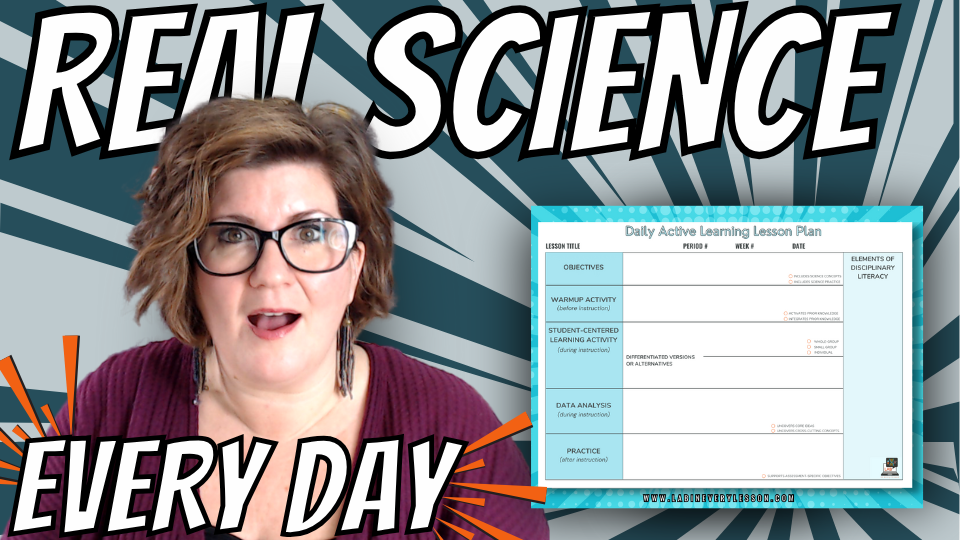
The 5E instructional model has been widely used in science classrooms for years, providing a structured framework to help students engage with scientific concepts. While it has many benefits, traditional 5E lesson plan templates are often implemented in ways that...
We’ve all been there—you spend time preparing an ionization energy worksheet (or searching for a free one online), expecting it to solidify student understanding and provide a source of reference notes for them to study from in the future. And sure, students might...
Teaching high school chemistry often feels like teaching math in disguise. If you’ve ever thought, “I didn’t realize I signed up to be a math teacher!”—you’re not alone. Using mathematics and computational thinking is even a core science practice in...